Disability

How to Build Accessibility into Your Wedding Day

We need to rethink our definition of disability

When most able-bodied people think of the word disabled, they think of people who are permanently disabled, or in a wheelchair perhaps. But that’s not the only type of disability there is, and not all disabilities are permanent. The disabled community is the only minority group that anyone could join at any time, at any age, permanently or temporarily. Even something as simple as spraining your ankle is a disability (albeit temporary) that may require accommodations (crutches, etc.).

Since at least 13% of all Americans are disabled, it’s important to talk about how you can build accessibility into your wedding day from the beginning to create a safer, more welcoming environment for all of your guests, and to “future proof” your planning in case you (or a family member or someone from your wedding party) end up injured before your wedding. Let’s dive in!

The Venue

There are lots of considerations when it comes to your venue that have an impact on accessibility. In fact, I would argue it’s the number one way weddings become inaccessible. If you’re thinking to yourself “I don’t have anyone attending who is disabled”, keep in mind that not only is that statistically unlikely, but that you yourself or someone you love could become temporarily disabled before your wedding day just by breaking a bone or spraining an ankle, which is why making accessibility a consideration ahead of time is so important.

Here are a few things to consider related to accessibility as you look at wedding venues:

  1. Ask the venue up front about their ADA (Americans with Disabilities Act) compliance, and how accessible their venue is for people with mobility issues or those who use wheelchairs.

  2. Keep an eye out for navigation concerns with your venue - you want a venue that a person in a wheelchair (or on crutches) could navigate without difficulty. This includes looking for red flags like stairs that don’t have a ramp or elevator as an alternative, large lips on doorway floors that a wheelchair may have difficulty getting over, ceremony sites that are on grass (especially those on hills) or uneven terrain.

  3. Keep an eye out not just inside the building, but also for things outside the building as well, such as whether or not the venue has a paved path (with wheelchair access) from the parking area to the building.

  4. Your guests aren’t the only folks who need to be able to move around easily! Your vendors will also need to be able to move around the space to do their jobs well (photographers included - we carry a lot of heavy, bulky camera equipment). It’s important that whatever venue you choose is actually big enough to comfortably fit all guests and vendors and for those folks to all be able to move around easily between and around tables, etc. If I as a photographer can’t squeeze between two tables because they’re packed too tight, someone using a wheelchair or other mobility devices definitely won’t be able to.

  5. Speaking of seating, seats without arms, and ones with higher weight capacities, are considerably more accessible than smaller, more limiting chairs.

The Food & Drinks

Many couples take a lot of care with their food & drink choices already, but believe it or not, this can also be an accessibility issue!

Here some things to consider when it comes to food & drink accessibility at your wedding:

  1. Make sure to find out if any of your guests (and their plus ones!) have dietary restrictions that you need to accommodate for, such as celiac disease (needing gluten-free food), severe allergies (like a peanut allergy), vegetarian or vegan diets, etc.

  2. Work with your caterer to come up with a game plan that accommodates these dietary restrictions (you want to show equal hospitality to all your guests). If your caterer cannot accommodate a certain restriction, arrange to have a meal for that guest brought in from somewhere else at the same time dinner is being served for your other guests. You can delegate this task of course, but make sure to communicate with the person you’re delegating to and the wedding guest so that they know they’re being taken care of.

  3. If you’re serving food buffet-style at your wedding, make sure to clearly label all food and at minimum, ensure you’re indicating whether the food is GF, nut-free, dairy-free, vegetarian, or vegan. This will also save you (or more realistically your catering staff) a lot of unnecessary questions about the food.

  4. Consider having signature mocktail options in addition to signature cocktails for your wedding so that guests that either can’t drink or prefer not to can still celebrate with you. And if you’re doing a champagne toast, make sure sparkling water & sparkling juice are offered as alternative options.

The Sound & the environment

Not all disabilities are physical, and many folks, even those who don’t consider themselves disabled, have a difficult time with certain environmental factors at weddings. You may also have guests that are hard of hearing, or even deaf, and there are ways to help you accommodate them.

Here some things to consider when it comes to sound and environmental accessibility at your wedding:

  1. Consider working with your DJ or venue to ensure that there are mics available for you and your soon-to-be-spouse for your vows (not just your officiant). That way folks who are hard of hearing will have a better chance of being able to hear you. If you’re feeling extra fancy, you could have someone use a real-time transcription software so that your vows can be read by those who are deaf, and that way they are still included in the magic of your ceremony.

  2. Ask if your venue has a quiet room that you can set up for people who may be easily overstimulated and need some “down time” throughout the celebration day. A quiet room is a great way to accommodate nursing parents as well!

  3. If you have any guests who are sensitive to flashing lights (for instance, those who have epilepsy), make sure to let the DJ know ahead of time so that they can adjust the lighting they use during the dancing portion of the evening.

  4. If there will be kids at your wedding, having an area especially for them with activities, coloring books, etc. is a great way to make sure kids have a fun time at your wedding too!

Putting thought into these considerations may take a little more time up front, but putting in that effort will ensure that all of your guests feel welcomed, appreciated, and cared for, and that you’re future proofing your wedding in case you, your soon-to-be-spouse, or a close friend or family member have an unexpected need for accessibility on the wedding day!

—Sam

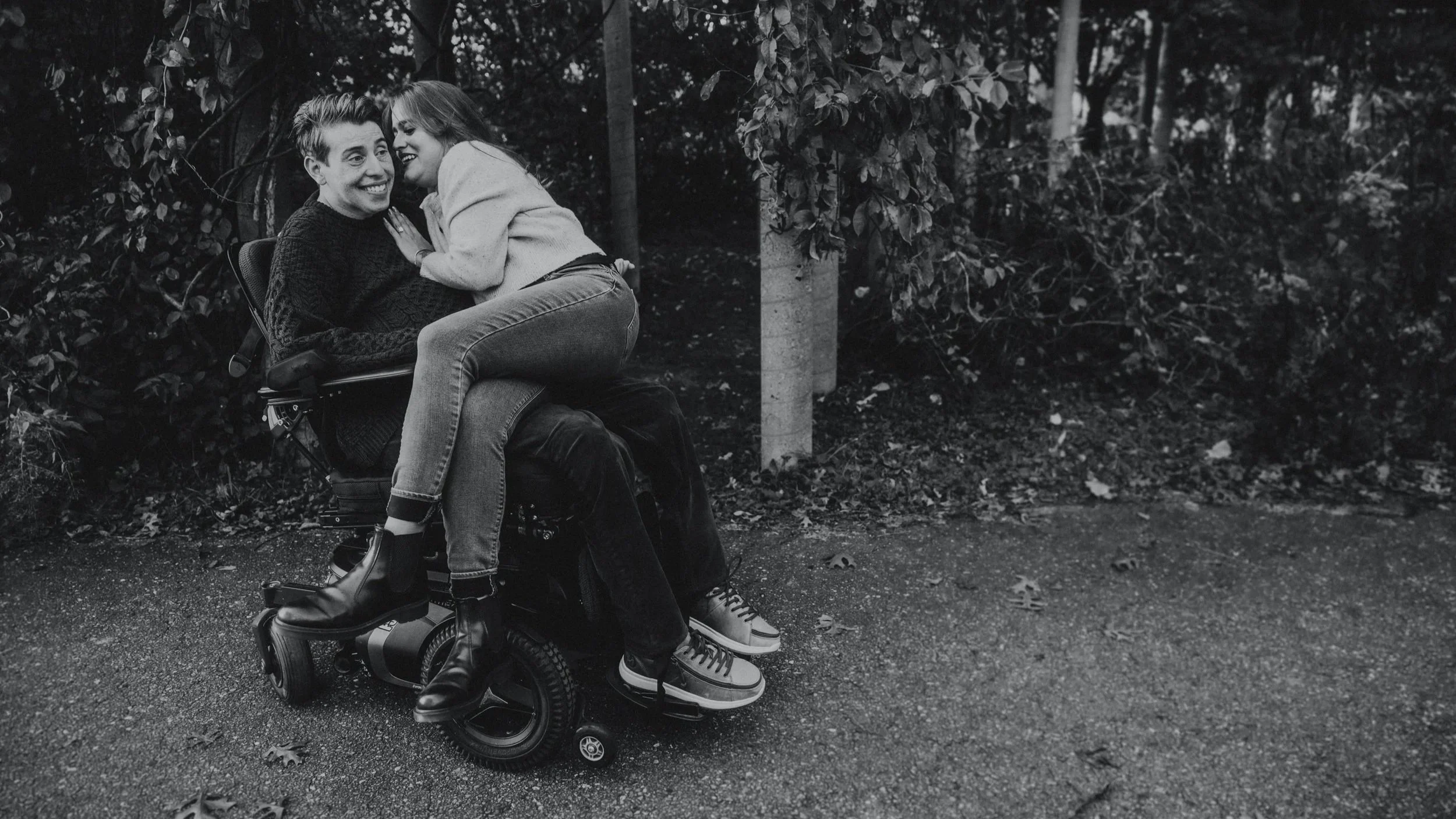
Mariela + James: An Idyllic Fall Engagement Session at the UW Arboretum

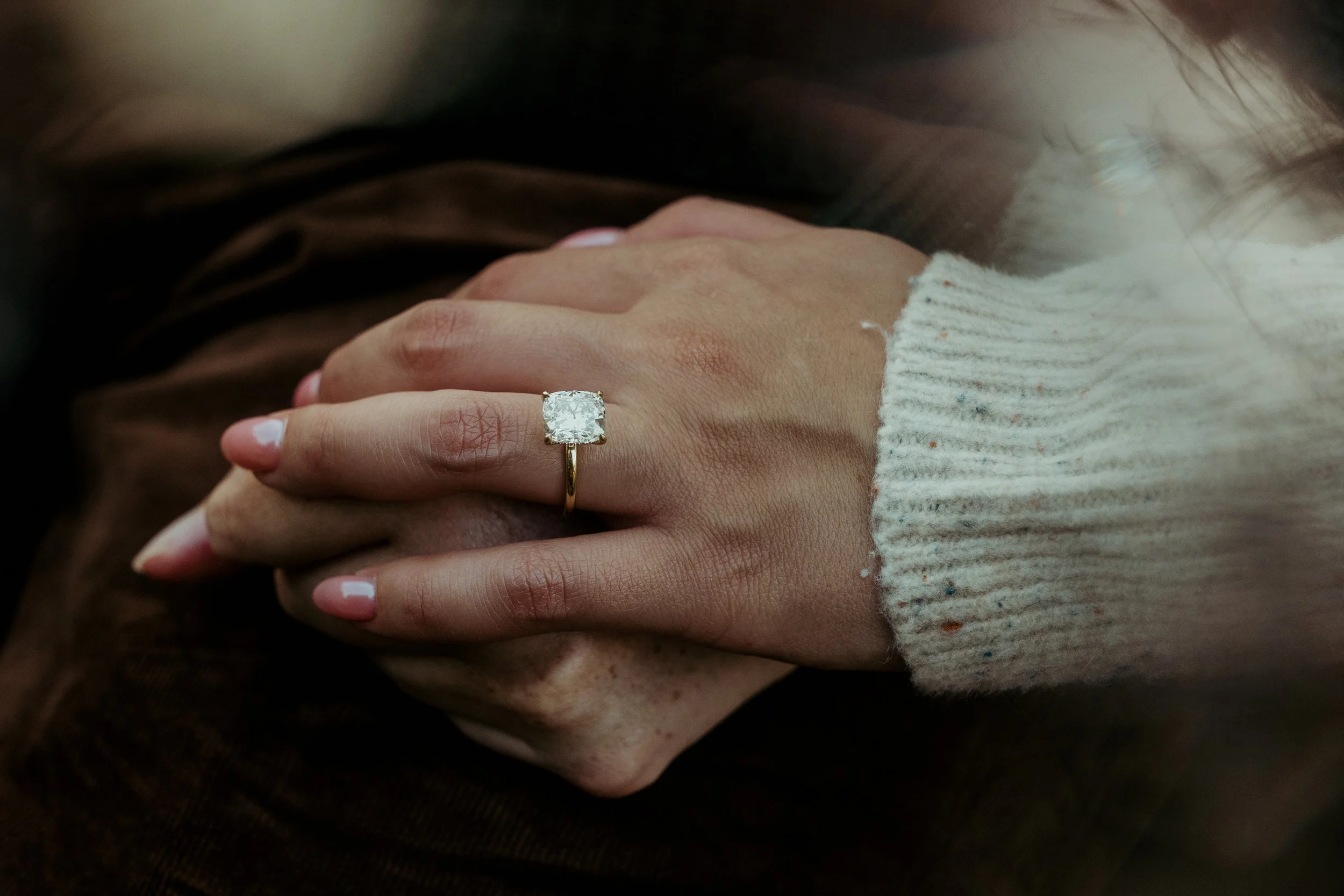
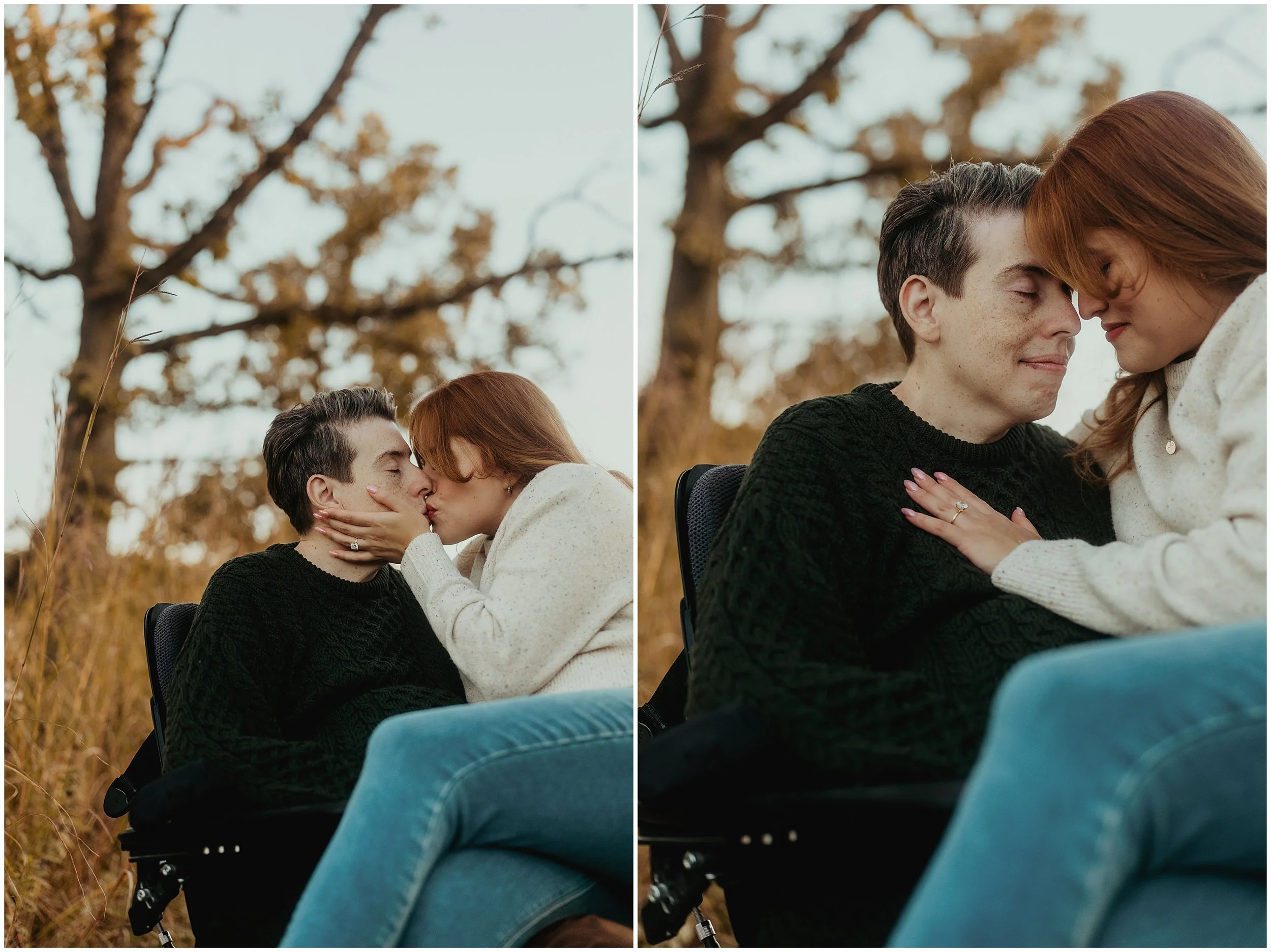
Mariela + James are planning for a california wedding, but wanted a wisconsin engagement session

And I feel like around Madison at least, there are few places that embody the beauty of Wisconsin than the UW Arboretum in Fall! Despite the Fall colors not being out in full force yet (such strange weather we’ve had this Fall so far!), the golden hour light lit everything up with a beautiful glow, including these two love birds. We could not have asked for a more perfect setting or weather!

Help me wish Mariela + James a BIG congratulations on their engagement, and enjoy the beautiful photos!

—Sam


Kate's Disability and Empowerment-Themed Boudoir Session

A Note From Sam about the Session…

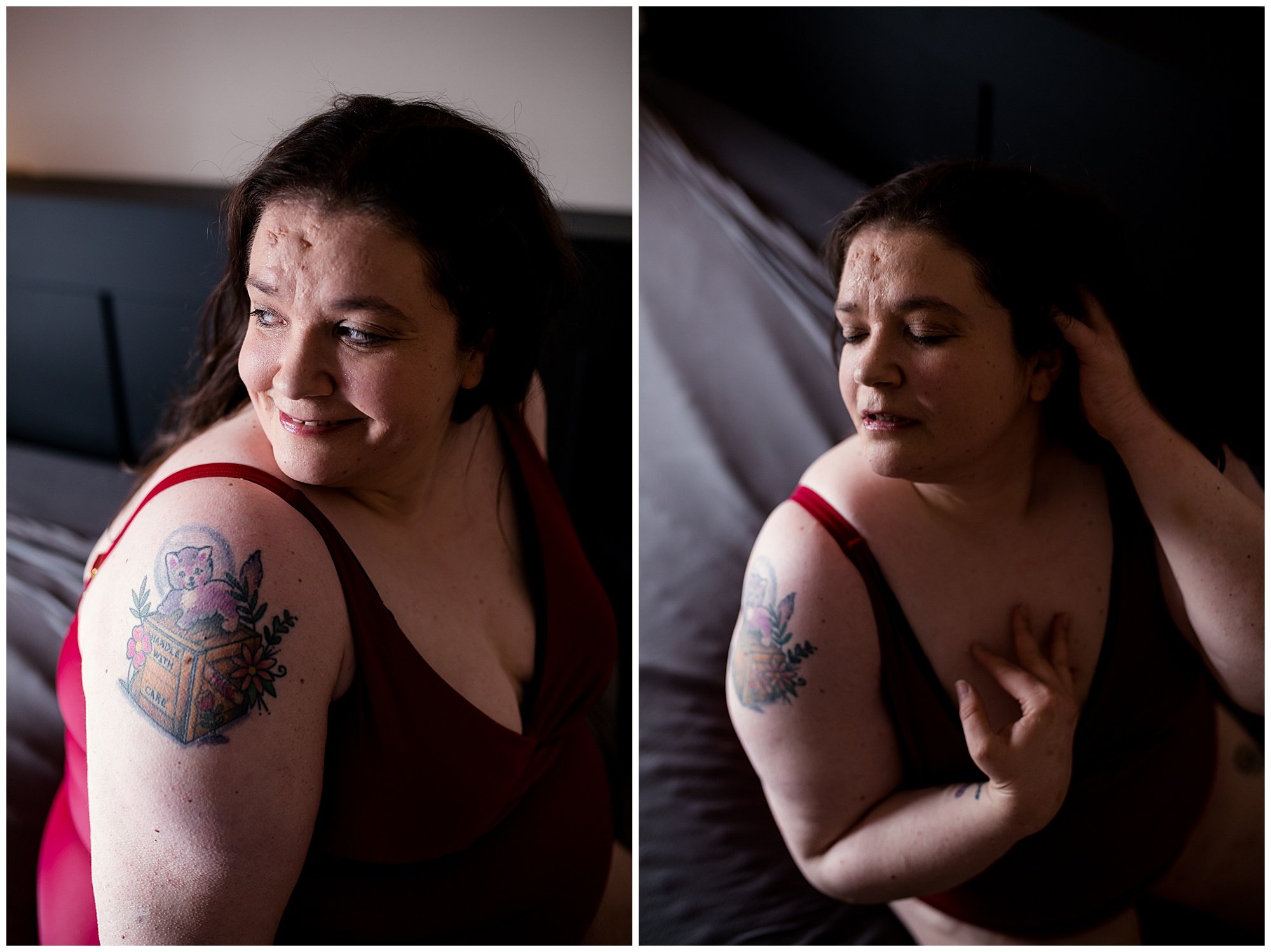
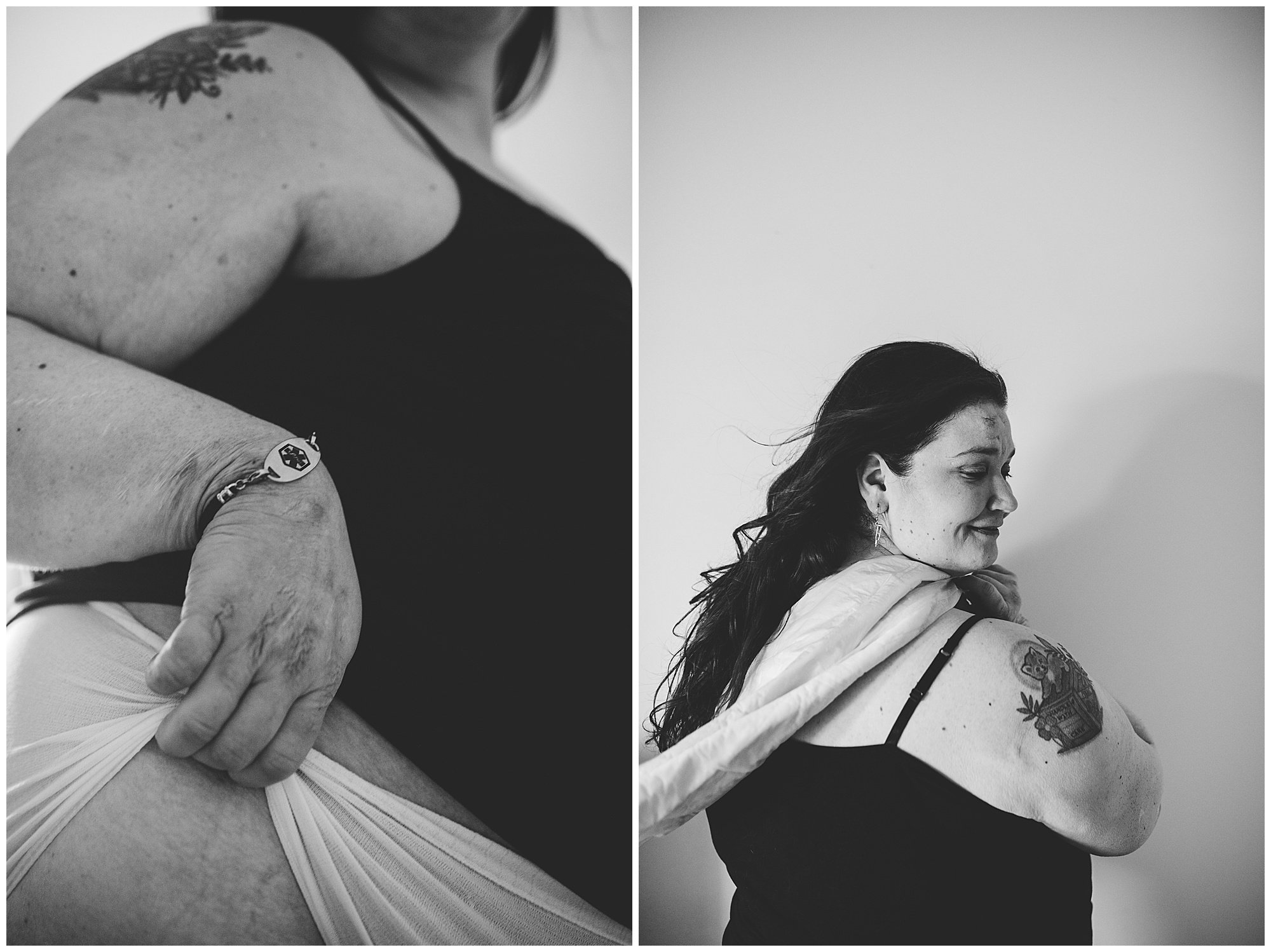
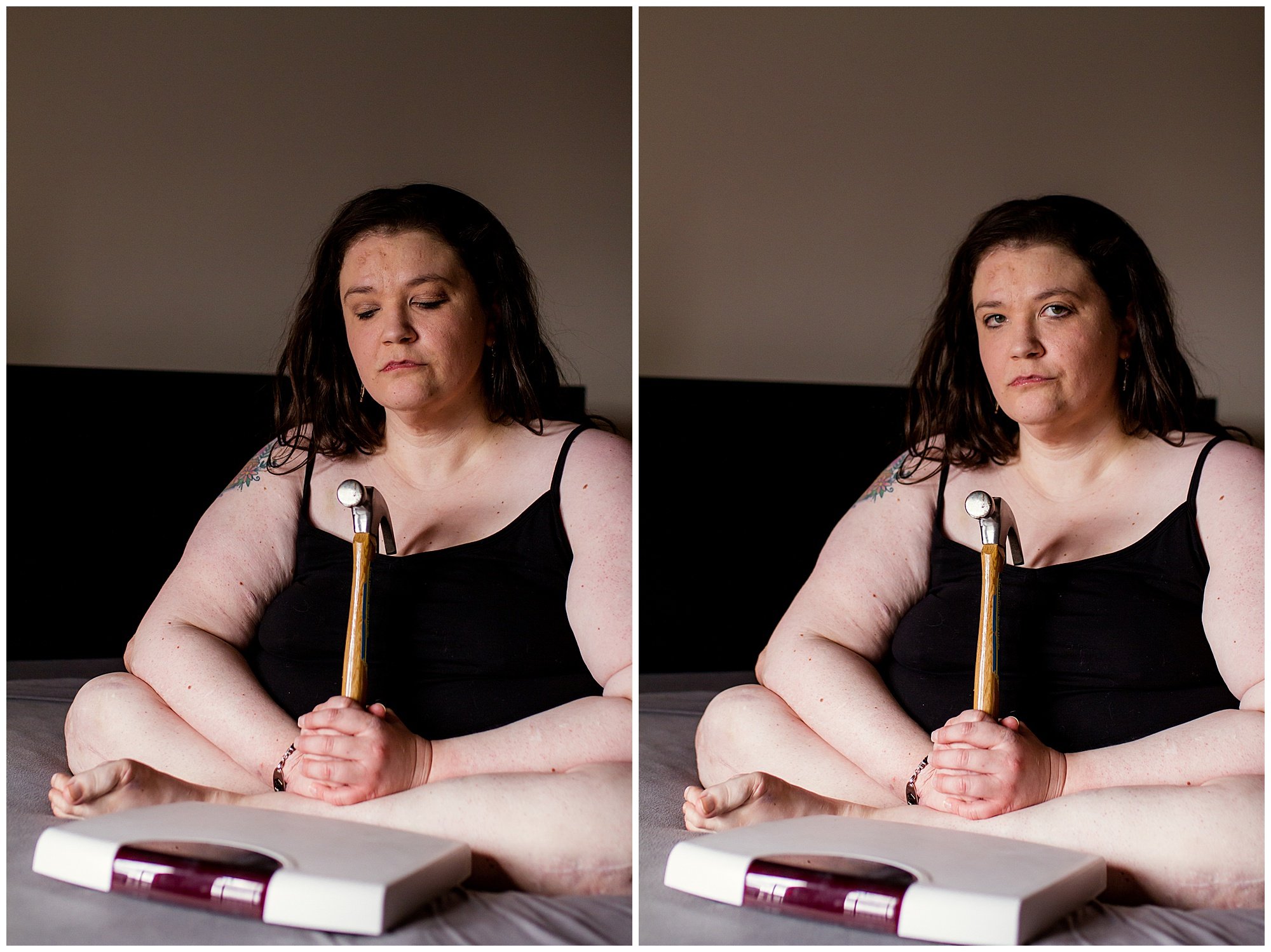
When Kate asked me my thoughts on a disability-themed boudoir session, which would be a juxtaposition of traditionally “sexy” outfits and poses contrasted against the every day realities of living with disability, I was immediately in. As we worked out the details, I got even more excited for the session, but I couldn’t have imagined how powerful the experience would be, even for me.

Kate and I both have Ehlers-Danlos Syndrome (EDS), a connective tissue disorder that impacts how our bodies produce collagen. It sounds like such a little thing, but it profoundly impacts almost every aspect of our lives. Whereas I (and my son, Ben) have the Hypermobile subtype of Ehlers-Danlos Syndrome, (also known as hEDS), Kate has the Classical subtype (also known as ClEDS). We have overlapping symptoms, but Kate’s symptoms predominantly affect her skin (scarring, wound healing issues, etc.) as well as her tendons/ligaments, which has had a significant impact on her mobility. She and I talk a lot about the impact of disability on our experience of day to day life, and how it can be very easy as fat, disabled women to feel invisible, and to feel like the exact opposite of what’s sold to us in the media as “sexy”.

Wanting to reclaim power in a fat, disabled body is something that is deeply personal to both of us, and to be able to collaborate on a project in this realm was so meaningful for me. I literally cried while editing the photos, not to mention the fact that we had such a fun (and emotional) time during the shoot. I could go on and on for ages, but I thought it would be way more impactful to ask Kate some questions about her experience. Check out her thoughts below!

In Kate’s own Words…

What made you decide that now was the time to book a session?

I'd never really been the kind of person who felt like boudoir photography was for me. My entire life, I'd been the opposite of what the media and society called sexy--I'm fat, shy, have a chronic medical condition, I'm covered with bruises and scars. I don't really wear lingerie or sexy clothes. Doing my hair and makeup is more of a pain than anything. I have never considered myself especially attractive without someone, usually male, insisting I was. Based on these criteria, I figured it wasn't worth the money to get boudoir photos taken. Even once I got married and considered getting them for my husband as a gift, I figured he would want a new video gaming system more than just some photos of me trying to be sexy (something I didn't feel especially good at anyway).

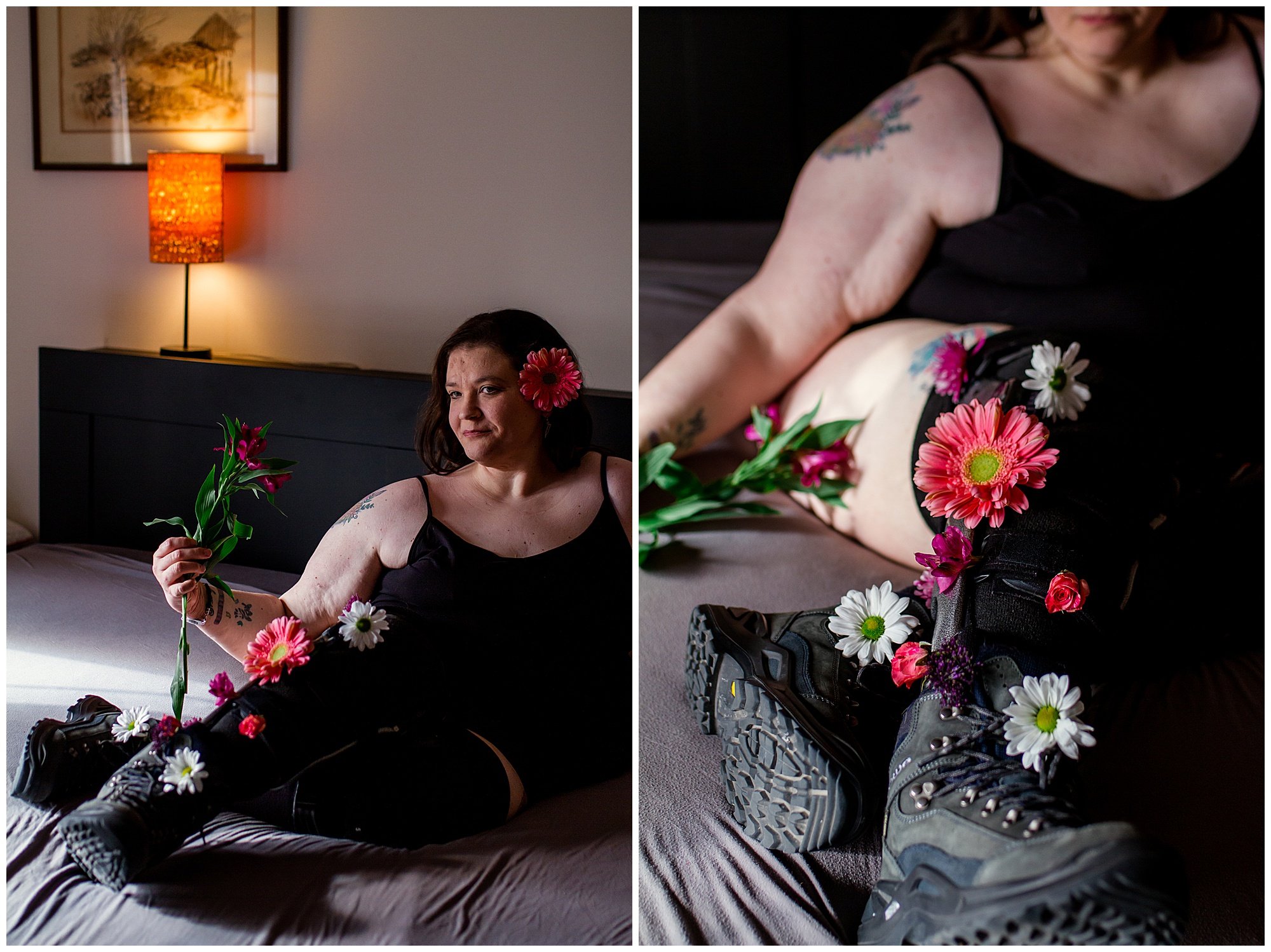
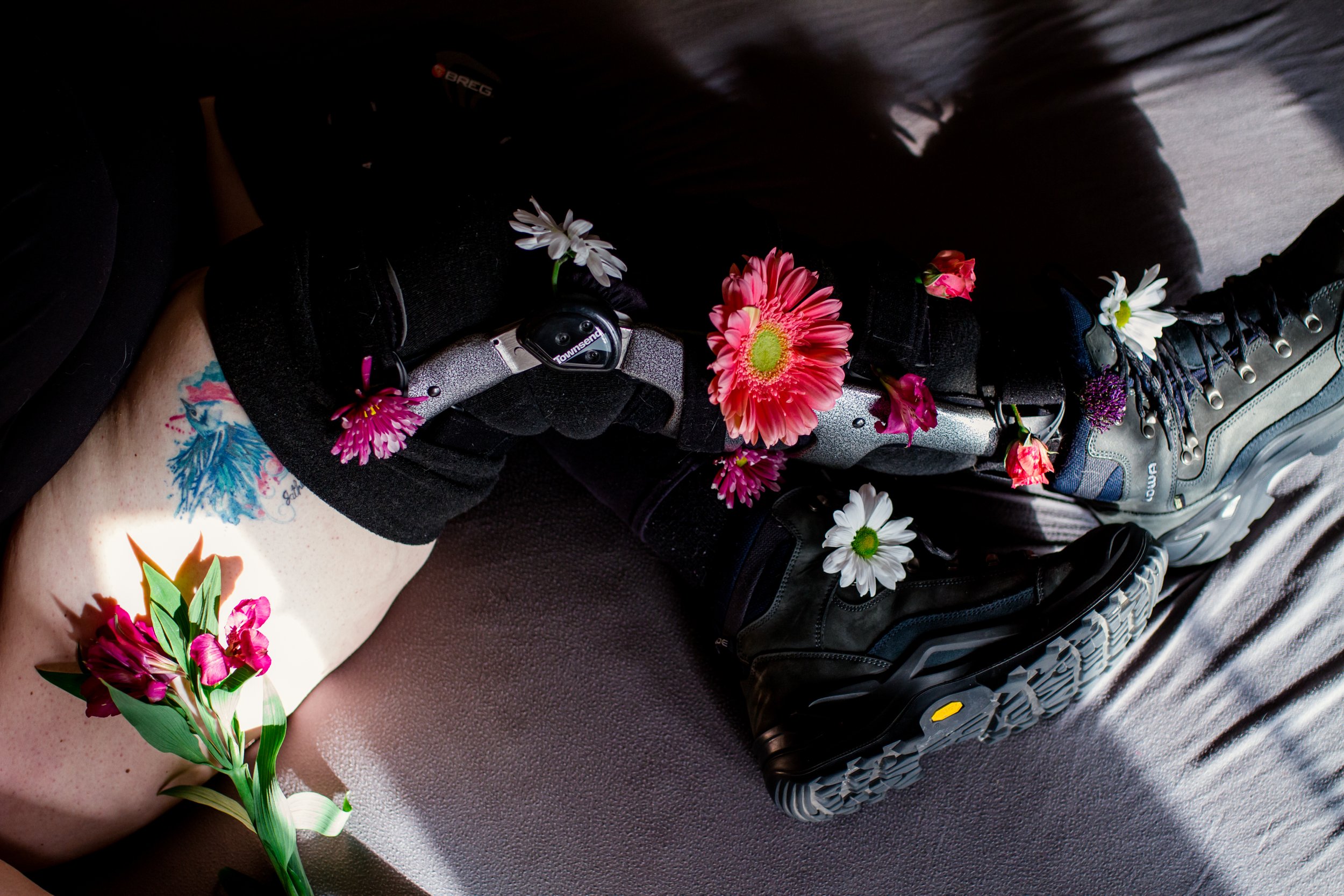
I wear a knee-foot-ankle orthotic (KAFO) on one leg and a knee brace on the other leg, and hiking boots to provide support to my feet and ankles. I was getting ready for work one day, and all I had on at the time was my bra, underwear, braces, and hiking boots. As I was traipsing around my house, I laughed a little at myself and thought, some women seduce their husbands with stocking and high heels. For me, it's hiking boots and medical braces. From that thought, the idea of doing a boudoir shoot, but using assistive devices and medical equipment with the stereotypical sexy elements was born.

I texted Sam the idea when I got to work and then couldn't look at my phone for a while. That's when the doubt set in. It's a stupid idea. Who's going to want to see the photos anyway? Why get photos taken that I don't want to show to anyone? It had probably been done before--here I was, thinking I was all original or something. When I was finally able to check my phone, Sam had texted back: "I would LOVE to do a session like that! If you're down I would totally do it. Like seriously, I love it." That was all the reassurance I needed.
What were you hoping to get out of the experience?

At first, I thought it would just be a fun experience with a friend. I knew I'd get some photos that maybe I'd look back on some day and remember having a good time with Sam. There was a small part of me that wanted photos that I could share of a disabled, fat girl being stereotypically sexy, and that they would spread around the internet and inspire other people to get their photos done as well. But that's just about the actual product from the session. I didn't think very much about the experience of the session itself or how I might feel about the photos or myself after.

Describe what the session was like for you.

It was a ridiculous amount of fun! I've been friends with Sam for a while, and I know her thoughts and opinions on body acceptance/positivity/liberation, fat acceptance/fatphobia, disability, living with chronic illness. Knowing how in sync we are on a lot of those topics made it so much easier for me to trust her and allow myself to do something with her that I'd never considered "for me"--and allow her to document it! Even though I know Sam well, I feel like she would put anyone at ease. I laughed so much, and only part of the time was it because Sam was making me do something that felt silly (but ultimately looked great!)

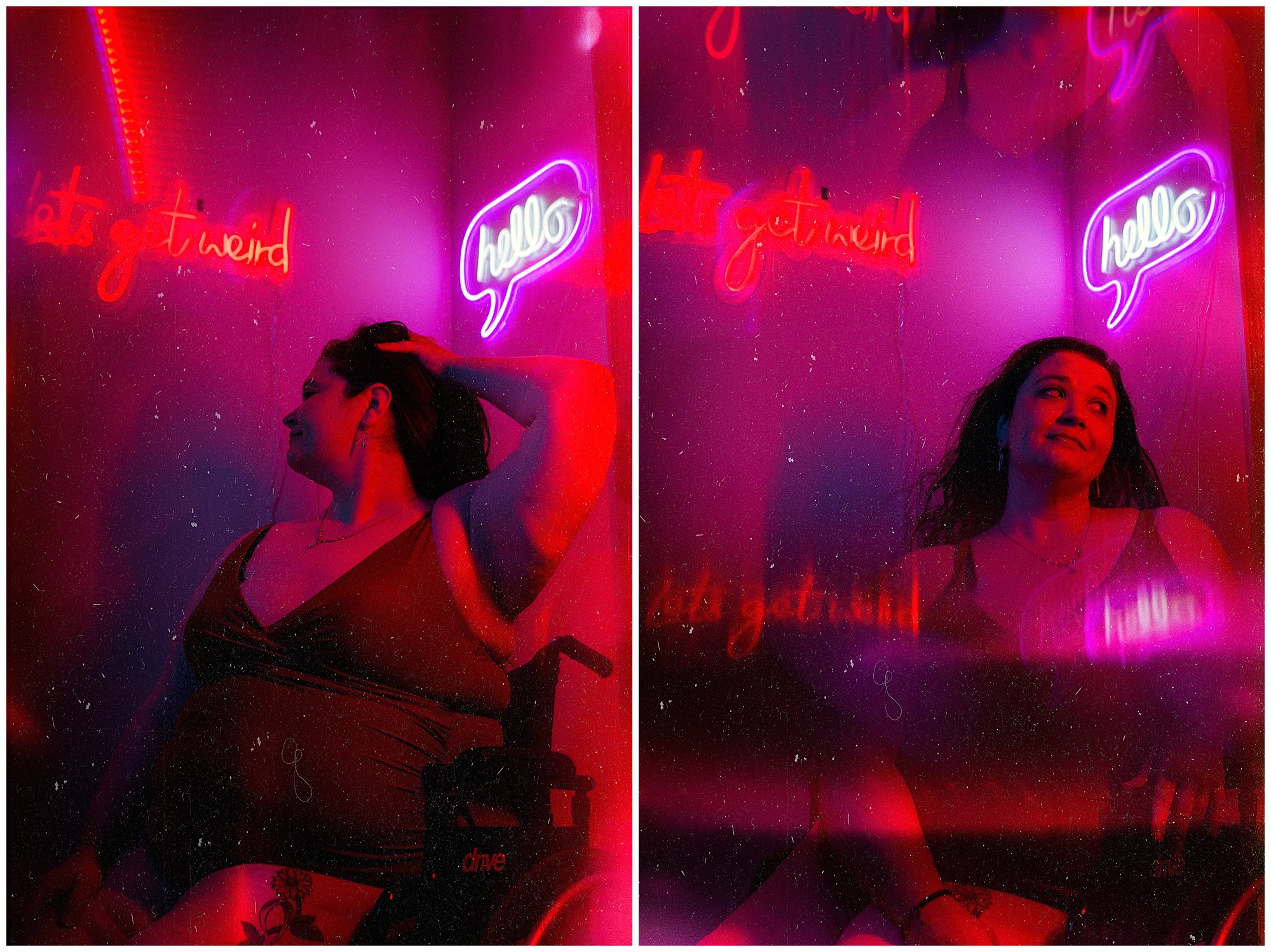
I went through a range of emotions since we were incorporating a number of things that have always been an object of distress for me--most notably my leg braces and my wheelchair. There was anger, and sadness, and some real reflection on why bodies like mine (and devices that can be so helpful and freeing for people) are met with such derision. Sam had the idea to put the flowers in my braces, and while she was shooting those photos, I thought, Oh, it's like a funeral for my legs. And I started to tear up because I miss a lot of what I could do before I became so limited in my mobility.

Immediately after I started tearing up, Sam told me we were doing the "fuck you, chronic illness" powerful shot. I can see the tears in my eyes in some of those photos (or know they were there), which makes it all the more powerful to me. Our feelings about our bodies, our mental health in general, and our attitudes towards disability are also shunned and derided. We're not supposed to be negative; we're not supposed to give into our limitations; we're supposed to be smiling and positive-minded all the time; "you're not fat, you're beautiful!" *eye roll* However, there's real strength in accepting your limitations and changing the world around you to conform to your needs--physical, mental, or emotional--and not the other way around. Feelings can be fragile, but they aren't weak.

Was there anything that surprised you about how the session went?

I was surprised at how quickly it went, and despite Sam's multiple warnings, how absolutely exhausted I was after. Getting into poses, holding them, changing positions and outfits, standing, sitting, laying, having a fan pointed at you for hours--it all wears on you!

A comment Sam made during the session has stuck with me. I had my mostly black braces and hiking boots on, and Sam said, "You know, you really look like you have some badass, Sara Connor exo-skeleton armor on there." I stopped and was speechless. She continued, "I mean, really, they look like thigh high boots." NEVER in the years I've been wearing various types of knee, ankle, and leg braces did I ever think they could look sexy, cool, or, heaven forbid, BOTH. It was just an off-handed comment Sam made, but it changed my perspective completely. Now, when I am putting them on, I don't hate them quite as much. In fact, I just remind myself that I'm giving myself +5 to armor.

Describe how the image reveal went for you.

I'd been thinking about how I would feel about seeing the images for weeks before Sam even took them. The last couple of times I've had formal photos taken, I haven't been happy with how I looked--mostly, I didn't like how fat I looked. Since then, I've done a lot of work on my body image, learning about fatphobia, the colonialist roots of our current beauty ideals, disability acceptance and politics, and what that all means to me. Even so, I was still nervous about seeing all of me exposed. Sam had my photos ready sooner than she had anticipated, but even though I was excited to see them, and she was excited to show them to me, I asked her to wait to do the reveal for a few days so I could make sure I was really in the right headspace for it.

The image reveal was both better than I expected and more difficult. The better part was how much I really loved (and still love!) the photos! I tried to give credit to Sam for her artistry and talent, but she just responded with "it's all you. I just clicked the button." I loved the photos so, so much. To see my smile, despite wearing my knee braces, to see me laughing in my wheelchair, to see my big belly exposed and still consider the photo sexy...I wasn't prepared for that and how amazing I would feel about it.

The difficult part was that there were still photos that I didn't like or didn't want to see because I didn't like how I looked. I picked them apart in my head and judged myself by standards I know are arbitrary. Those are the ones I've been really sitting with and trying to love.

What was the hardest part of the experience for you?

Matching the idea of what I look like in my head to what I saw during the session and in the photos. I don't have a very accurate self-image in my head, so whenever I see myself in a mirror or a photo, I wind up disappointed. There were a lot of reminders during the session of how my body doesn't measure up--it's broken, it's fat, it doesn't work great, a lot of people would find it disgusting. But anyone who has enjoyed my company, loved me, cared about me, wanted to have me around me, found me funny or attractive or yes, even sexy, who has hugged me or kissed me did it while I was in THIS body. No one else who has loved me ever cared that I was fat or disabled. So why was it so important to me? I'm still working on that part.

What were you the most excited about as a result of the experience?

I kind of hinted at it in the previous answer, but I've revised the opinion that I'm not sexy or I'm not the kind of person who can be sexy. I may not feel sexy on a regular basis, but if I want to, I can. I've been at war with my body so long, apologizing for it, hiding it, worried about what other people thought of it. I'm almost 40, and as cliched as it sounds, I regret the years I've lost fighting my body and hating it for what it isn't. I'm excited to learn how to love myself--physically, mentally, and emotionally.

What would you say to someone considering booking a session?

Do it right now, if you feel ready for it. But don't wait until everything is perfect--then you'll never do it. The experience itself is fun and empowering. The images are just that--images. The feeling of knowing yourself in your own body--reflecting on what you're doing, why, and how you feel about it, THAT'S the reason to do it. And if there are some kick-ass images of your lovely self as well (which there will be), then all the better.

Enjoy the photos friends!

- Sam